
Essential Pass GCSE Maths Tips for Exam Success
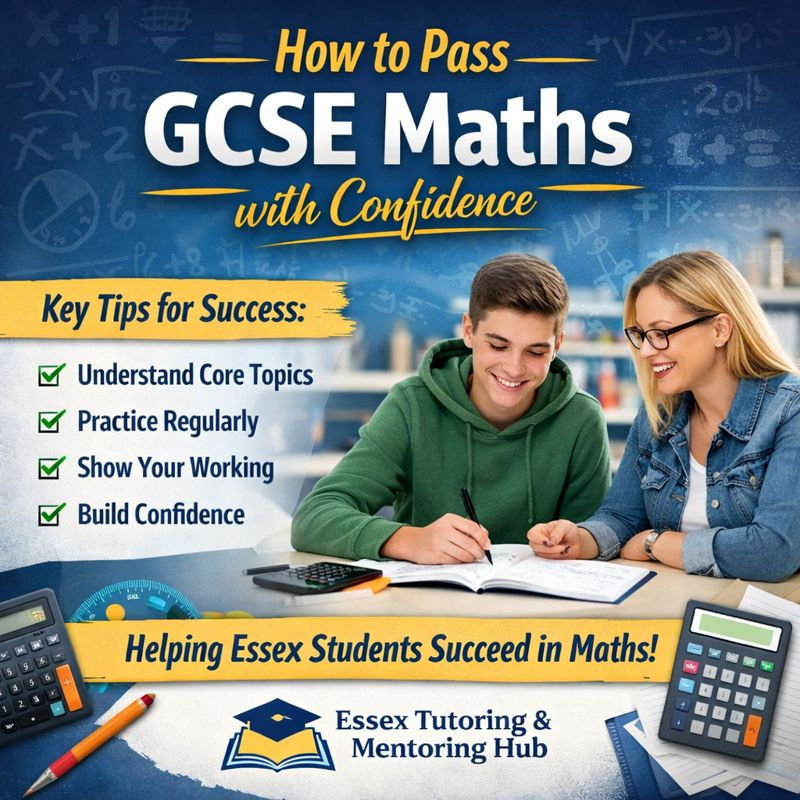
Preparing for GCSE Maths can feel overwhelming. I understand how challenging it is to balance revision with other subjects and activities. But with the right approach, you can build confidence and improve your skills step by step. In this post, I share essential tips that help you pass GCSE Maths exams with greater ease. These strategies focus on practical steps you can take today to boost your understanding and exam performance.
Effective Pass GCSE Maths Tips to Boost Your Confidence
One of the best ways to prepare is to create a clear study plan. Break your revision into manageable chunks and focus on one topic at a time. For example, spend a week on algebra, then move to geometry, and so on. This helps you avoid feeling overwhelmed and ensures you cover all areas.
Use past papers regularly. They give you a feel for the exam format and the types of questions you will face. Time yourself when doing these papers to practice working under exam conditions. After completing each paper, carefully check your answers and understand any mistakes. This process helps you learn from errors and avoid repeating them.
Don’t hesitate to ask for help when you get stuck. Whether it’s a teacher, tutor, or study group, discussing problems with others can clarify difficult concepts. Sometimes, a different explanation makes all the difference.
Here are some practical tips to keep in mind:
Use flashcards for formulas and key concepts.
Practice mental maths daily to improve speed.
Write down all working steps in your answers to gain method marks.
Focus on understanding concepts, not just memorising.

How to Pass GCSE Maths: Key Strategies That Work
Passing GCSE Maths is about more than just hard work. It’s about working smart. I recommend focusing on your weak areas first. Identify topics where you lose marks and spend extra time improving them. For example, if you struggle with fractions or percentages, dedicate specific sessions to mastering these.
Use online resources and apps that offer interactive exercises. These tools often provide instant feedback, which helps you correct mistakes immediately. Watching video tutorials can also be helpful if you prefer visual learning.
Another important tip is to learn the exam command words. Words like “calculate,” “explain,” or “draw” tell you exactly what the question expects. Understanding these helps you answer more precisely and gain full marks.
Remember to keep your calculator skills sharp. Know which functions to use and when. This saves time and reduces errors during the exam.
Finally, stay positive and believe in your ability to improve. Confidence plays a big role in exam success.

What are the 5 Hardest GCSEs?
Many students find certain GCSE subjects more challenging than others. Maths is often on this list, but it’s helpful to know what else students commonly struggle with. The five hardest GCSEs typically include:
Mathematics - Requires strong problem-solving and logical thinking.
Sciences (Physics, Chemistry, Biology) - Involve complex concepts and practical knowledge.
Modern Foreign Languages - Demand memorisation and speaking skills.
English Literature - Needs critical analysis and essay writing.
History - Requires understanding of events and essay skills.
Knowing this can help you prioritise your revision and seek extra support where needed. Remember, difficulty varies for each person, so focus on your own strengths and weaknesses.
Practical Tips for Exam Day Success
On the day of your GCSE Maths exam, preparation is key. Here are some tips to help you stay calm and perform your best:
Get a good night’s sleep before the exam.
Eat a healthy breakfast to keep your energy up.
Arrive early to avoid last-minute stress.
Bring all necessary equipment: pens, pencils, ruler, calculator, and a clear water bottle.
Read each question carefully before answering.
Manage your time by dividing it according to the marks available.
Start with questions you find easiest to build confidence.
Show all your working out to gain method marks even if the final answer is incorrect.
Review your answers if time allows.
Staying calm and focused helps you think clearly and avoid careless mistakes.
Building Long-Term Maths Skills Beyond the Exam
Passing your GCSE Maths exam is important, but developing strong maths skills benefits you far beyond school. Maths helps with problem-solving, logical thinking, and decision-making in everyday life.
Try to keep practising maths regularly, even after your exams. Use real-life situations like budgeting, cooking measurements, or planning trips to apply maths practically. This keeps your skills sharp and builds confidence.
If you find maths challenging, consider joining a study group or getting extra tutoring. Consistent support makes a big difference.
Finally, celebrate your progress. Every small improvement is a step towards success. Remember, maths is a skill you can develop with patience and practice.
If you want to learn more about how to pass gcse maths, check out helpful guides and resources that can support your journey.
By following these essential pass GCSE maths tips, you can approach your exams with confidence and clarity. Keep practising, stay positive, and remember that every effort counts. You have the potential to succeed and unlock new opportunities through your hard work. Good luck!


Comments